


Top Institutions in Ophthalmology - Retinal Gene Therapy
Leading institutions conduct early-phase clinical trials involving gene therapy vectors such as AAV5 for retinal diseases, employing dose-escalation and expansion cohorts to evaluate safety and efficacy. These centers combine advanced retinal imaging, functional visual assessments, and molecular biology expertise to develop and translate novel gene therapies for GA.
-
#1

University of Pittsburgh Medical Center Vision Institute
Pittsburgh, PA
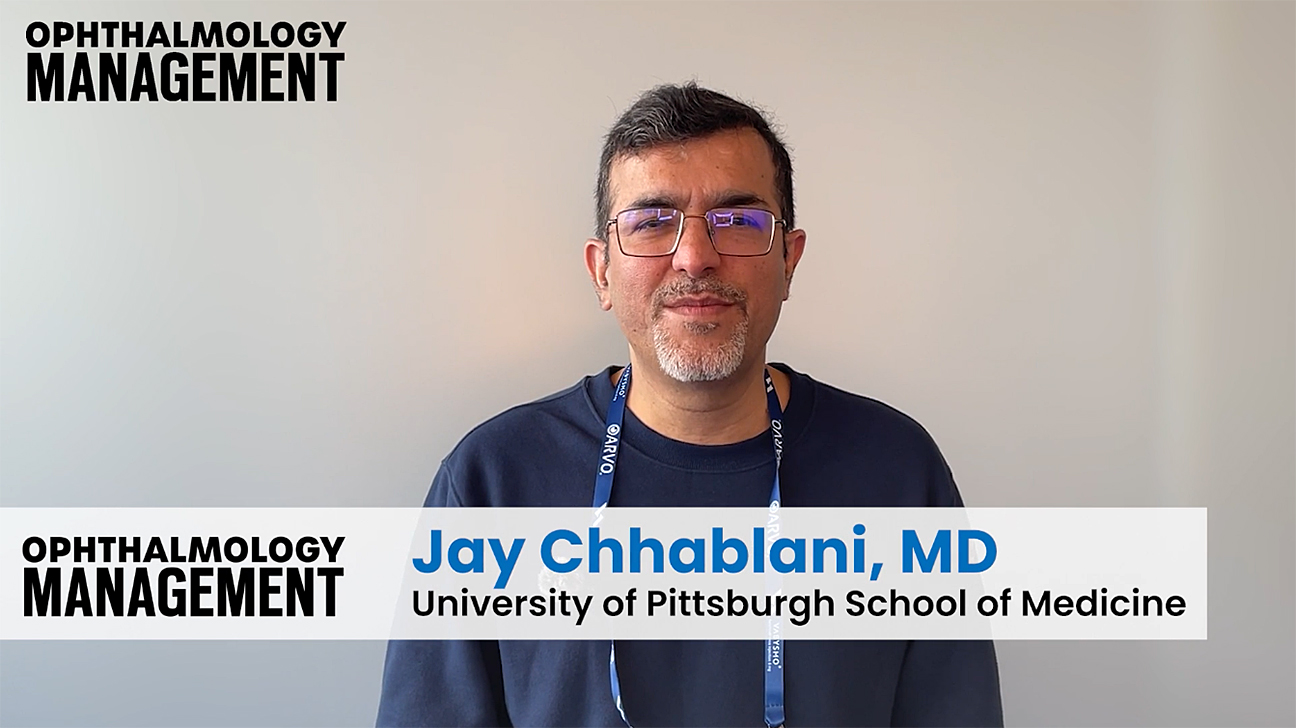
Home to Dr. Jay Chhablani, a leading retina specialist involved in pioneering phase 1/2 gene therapy trials for geographic atrophy, UPMC Vision Institute has strong clinical trial infrastructure and expertise in retinal imaging and gene therapy delivery.
-
#2
Massachusetts Eye and Ear Infirmary, Harvard Medical School
Boston, MA
A global leader in retinal disease research and gene therapy development, Mass Eye and Ear has extensive experience in clinical trials for AMD and GA, including pioneering work on AAV-mediated gene therapies and retinal imaging biomarkers.
-
#3
Bascom Palmer Eye Institute, University of Miami
Miami, FL
Bascom Palmer is renowned for its clinical and translational research in retinal diseases, including gene therapy trials targeting AMD and GA, with strong expertise in surgical delivery techniques and visual function assessment.
-
#4
Johns Hopkins Wilmer Eye Institute
Baltimore, MD
Wilmer Eye Institute has a strong track record in retinal gene therapy research, including early-phase clinical trials and development of novel gene vectors and delivery methods for degenerative retinal diseases.